
 Healthy Balanced Meal
Welcome to the world of balanced nutrition! Just as a symphony requires different instruments to create a beautiful melody, our bodies need a variety of nutrients to function properly. This article will discuss ways on how to eat healthy. Let’s explore why consuming an adequate and diverse array of nutrients is crucial, what a balanced meal looks like, and how you can ensure your meals are more balanced.
The Importance of Consuming Adequate and Varied Nutrients
Imagine trying to play a symphony with only one instrument—it would lack depth and harmony. Similarly, our bodies require a range of nutrients to maintain health and vitality. Each nutrient plays a unique role:
Carbohydrates provide the body with energy, especially for the brain and muscles, help regulate blood sugar levels, and support digestive health by providing fiber.
Proteins help build and repair tissues, support muscle growth, produce enzymes and hormones, and play a crucial role in the immune system
Fats provide energy, support cell growth, protect organs, keep your body warm, and help absorb certain vitamins.
Vitamins and minerals are crucial for various crucial for various important jobs inside your body, such as boosting the immune system, aiding in energy production, promoting healthy skin and bones, and ensuring proper functioning of the organs.
Consuming a variety of nutrients ensures that our bodies can perform all these functions effectively. A diet lacking in diversity can lead to nutrient deficiencies, impacting everything from energy levels to immune function.
What is a Balanced Meal and What Does It Look Like?
A balanced meal is like a well-composed piece of music, with each food group playing its part to create harmony. A balanced meal typically includes:
Proteins: Chicken, turkey, lean beef & pork, fish, eggs, beans, tofu, or low fat dairy.
Carbohydrates: Starchy vegetables like potatoes, corn, and peas. Whole grains like brown rice, quinoa, or whole-wheat bread.
Fruits and Vegetables: A variety of colors and types, ensuring a range of vitamins and minerals.
Healthy Fats: Avocado, nuts, seeds, or avocado & olive oil.
Visualize your plate divided into sections: half filled with fruits and vegetables, a quarter with lean protein, and a quarter with whole grains. Add a small portion of healthy fats to round it off.
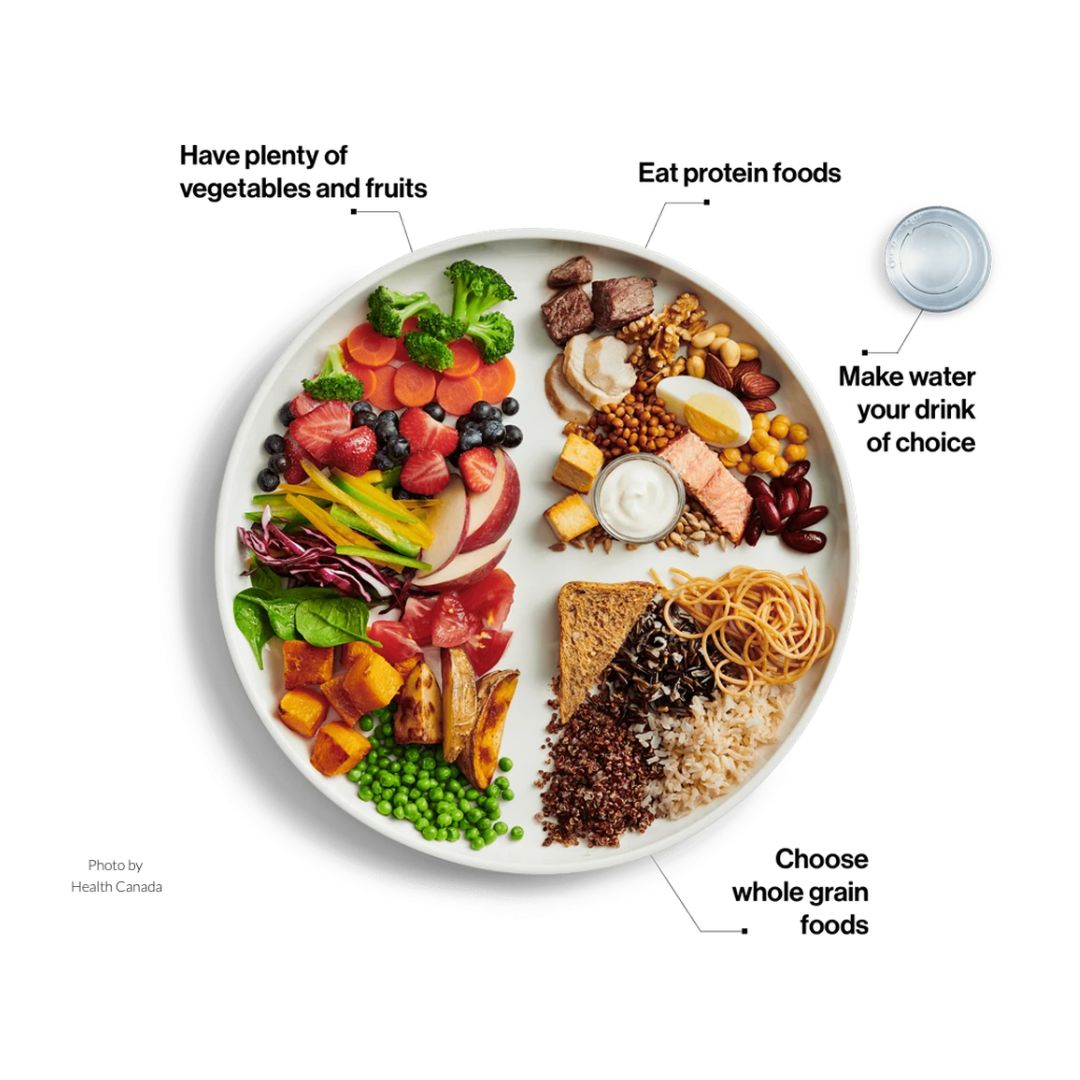 Health Canada Balanced Meal
How to Ensure Your Meals Are More Balanced
Plan Ahead: Create a weekly meal plan that includes a variety of foods from all food groups. This helps prevent last-minute unhealthy choices.
Color Your Plate: Aim to include a range of colors in your meals. Different colors often signify different nutrients, ensuring a more balanced intake.
Portion Control: Be mindful of portion sizes to avoid overeating any one food group. Use smaller plates if necessary to help control portions.
Mix and Match: Combine different food groups in each meal to achieve a balanced plate like seen above. For instance, pair grilled chicken with quinoa and a side of mixed vegetables.
Snack Wisely: Opt for balanced snacks that include multiple food groups, like a piece of fruit with a handful of nuts or carrot sticks with hummus.
Stay Hydrated: Drink plenty of water throughout the day. Sometimes thirst can be mistaken for hunger, leading to unnecessary snacking.
By incorporating these strategies, you can create meals that not only satisfy your taste buds but also provide the nutrients your body needs to thrive. Remember, balanced nutrition is not about perfection but about making consistent, mindful choices that support your overall health.
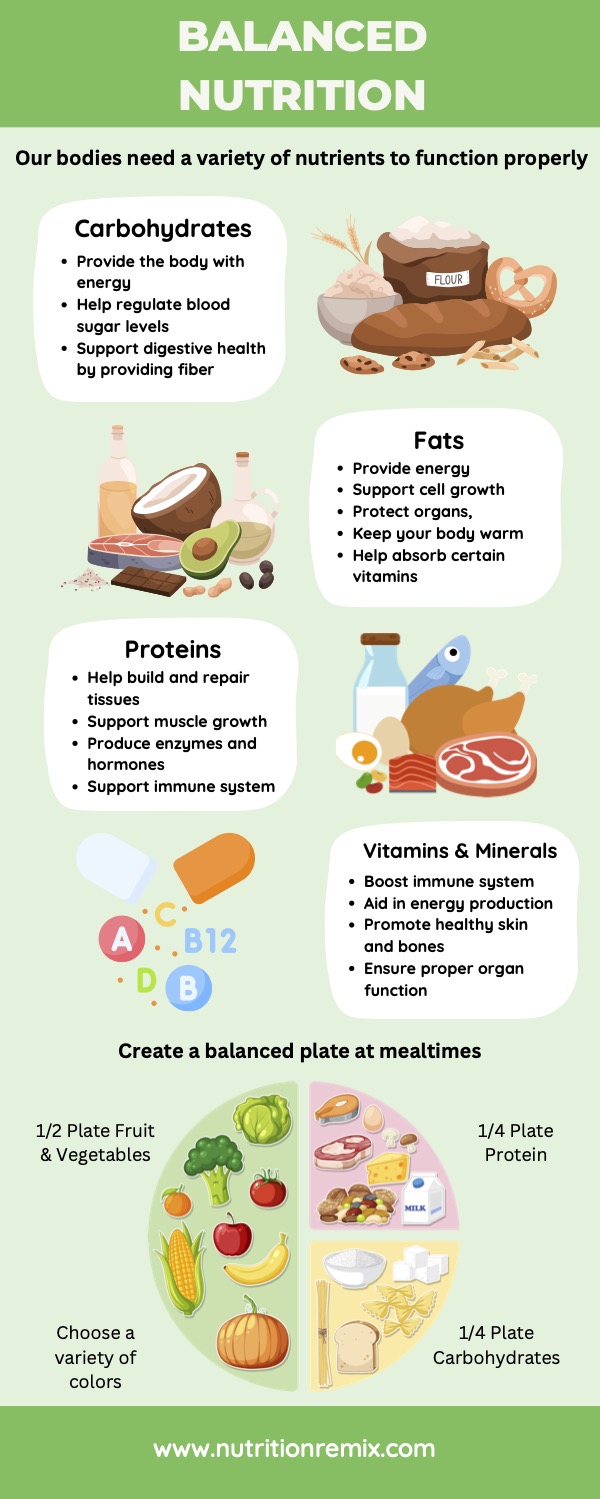 How to Eat Healthy Balanced Meals
Incorporate these tips into your daily routine, and watch as your health harmonizes beautifully, much like a symphony coming together to create a masterpiece. Enjoy the journey to a balanced, healthier you!